Founder
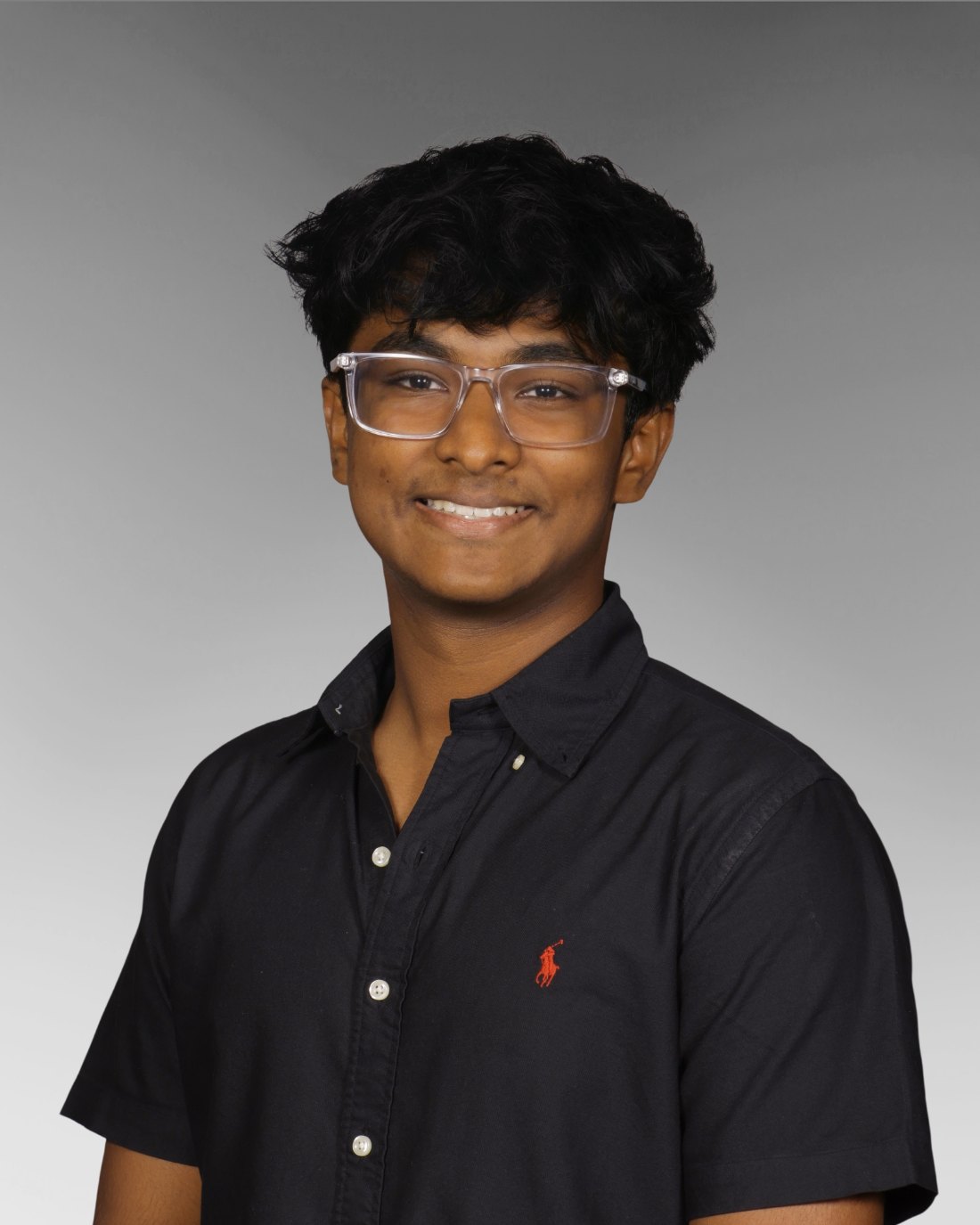
Tanush
Nimmalapudi
GastroCompass is built and led by one person — a question about why colorectal cancer keeps being found late, followed far enough to become research, a tool, and a campaign.
- Builds
- GastroLens & Open Me
- Focus
- Early-onset colorectal cancer
- Approach
- Research first
Why it exists
The part that would not go away.
Seeing colorectal cancer up close in a rural Texas community raised an obvious question and no obvious answer: why were people finding out so late?
The answer was not one thing. Early symptoms are easy to explain away. Screening guidance is clear but not always heard. And the people most likely to dismiss a warning sign are often the least likely to go looking for information about it.
A problem you can name is not the same as a problem you can solve.
That gap is what turned curiosity into research, research into a prototype, and eventually the prototype into something that had to leave the screen entirely.
How the work happened
Read first. Build second. Then go outside.
Research
Start by finding out whether the idea survives contact with evidence — a completed paper, an NHANES-grounded feasibility analysis, and three empirical analyses before writing product code.
Build
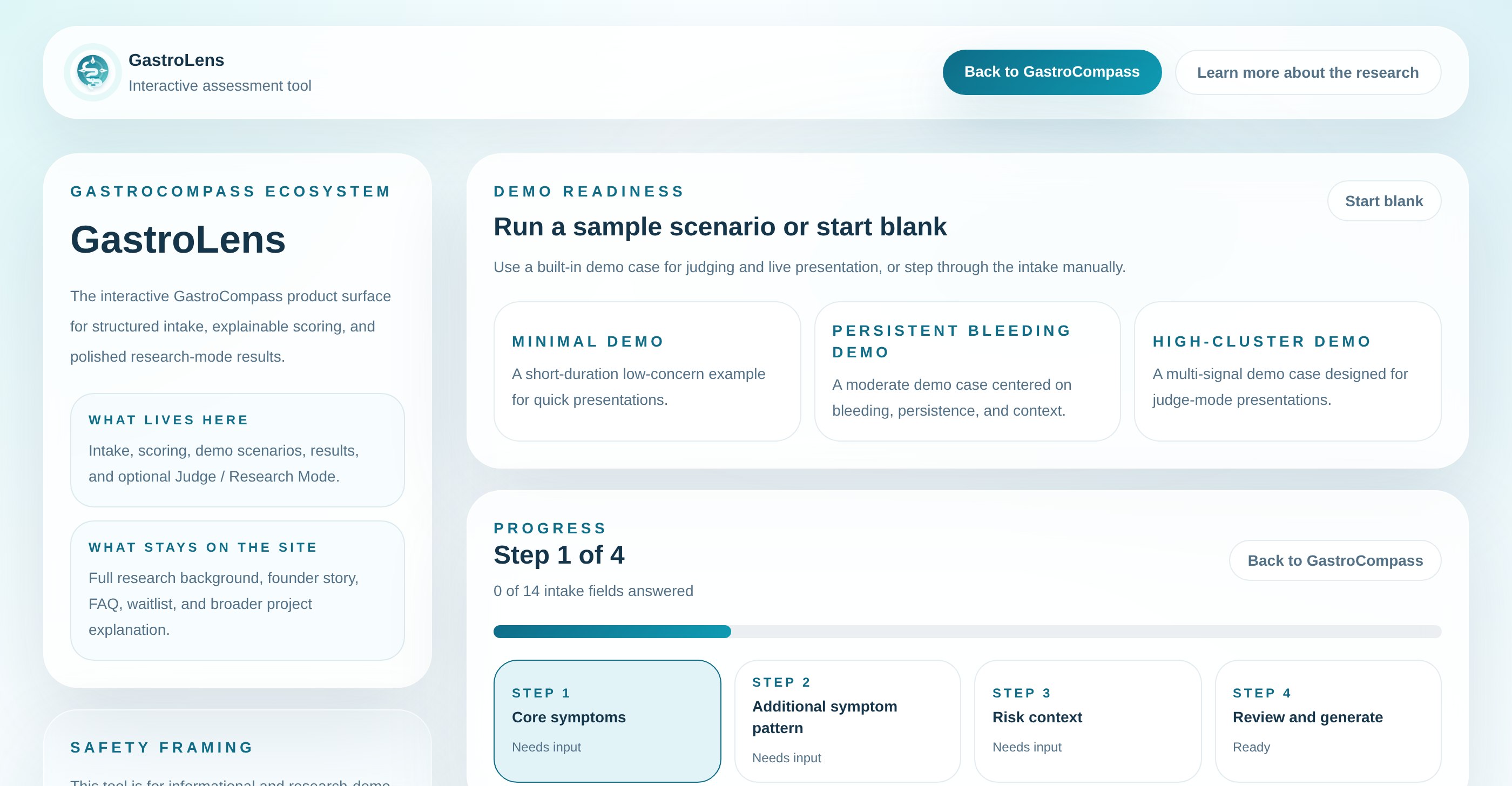
Turn the credible part into something usable. GastroLens organizes persistent symptom patterns and risk context into one structured, explicitly non-diagnostic summary.
Take it into the real world
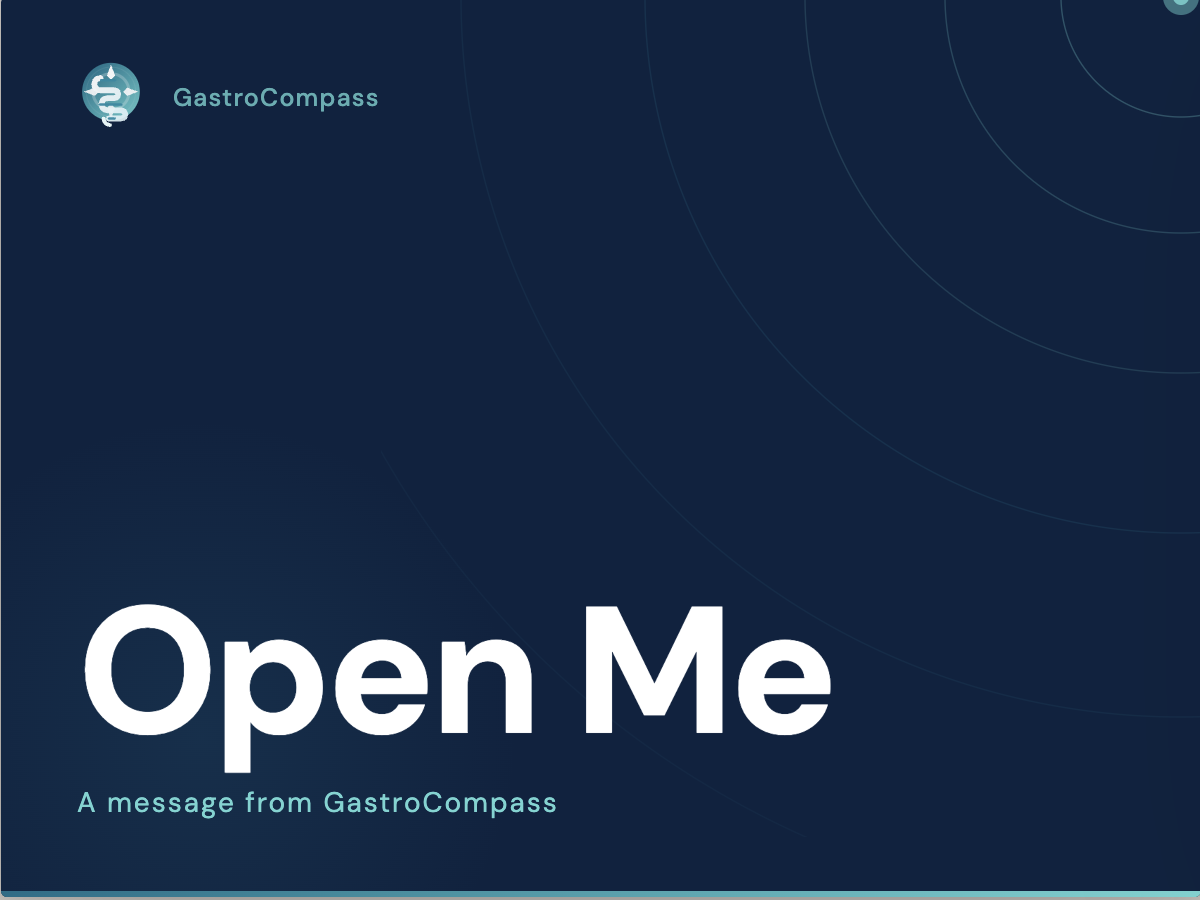
A tool only reaches people already looking for it. Open Me carries screening reminders into everyday places and connects them to a pledge and a conversation with a healthcare professional.
Background
A student at FCS Innovation Academy, with research experience at Yale and an interest in how public-health data can be made useful to people who are not researchers. GastroCompass is where that interest gets tested against something real: whether careful work can actually change what someone does about a symptom.
The work
Two answers to the same question.
What comes next
Still an open question.
The current work is getting Open Me materials into more community spaces, refining GastroLens while keeping it firmly non-diagnostic, and continuing the analysis that keeps the project's claims tied to evidence rather than ambition.